All-on-4 dental implants are a way to rebuild an entire upper or lower set of teeth using four small implant posts placed in the jawbone, with one connected set of teeth attached on top. This article explains how the treatment works, how it compares with removable dentures, who may be a good candidate, what happens at each stage, how recovery feels, what influences the price, and how to keep your implants healthy over time, so that you can walk into a consultation with confident, practical questions.
When most of your natural teeth are gone, everyday moments such as sharing a meal, chatting with friends or smiling for a photo can start to feel uncomfortable or stressful. Many people adjust slowly over the years, so they may not realise how much they have changed their habits until a dentist asks about it. All-on-4 is one option for this situation, but it is a significant procedure, and whether it suits you depends on your gum health, your jawbone and your overall health. Sunshine Boulevard Dental offers personalised assessments for people exploring implants and full-arch tooth replacement.
All-on-4 Dental Implants Can Replace a Full Arch of Teeth
A full arch means every tooth in your upper or lower jaw, and All-on-4 treatment replaces them with one connected bridge that is attached to implants instead of replacing each tooth separately. Placing one implant for every missing tooth can be more costly and may need more bone, so a single bridge supported by a few implants is often used when most teeth are missing. The goal is to help you chew, speak, and smile more comfortably.
All-on-4 Treatment Is Different From Traditional Dentures
Traditional dentures rest on your gums and are held by suction or adhesive, so they can move while you eat or talk and must be taken out for cleaning each day. All-on-4 teeth are secured to implants in your jawbone and are not removed by you at home, which many people find steadier, especially in the lower jaw, where dentures have less surface to grip.
| Feature | All-on-4 Dental Implants | Traditional Dentures |
|---|---|---|
| Support | Held by implants in the jawbone | Rest on the gums |
| Stability | Fixed firmly in place | May move or feel loose |
| Removal | Not removed by the patient | Removed daily |
| Comfort | Often feels natural once healed | Can rub or feel bulky for some people |
| Eating | Designed to support chewing | May limit food choices |
| Cleaning | Needs specific cleaning around the implants | Needs regular cleaning outside the mouth |
Four Implants May Be Used to Support a Full Arch
The approach relies on smart placement rather than a large number of implants, with two implants positioned near the front of the jaw where the bone is usually stronger and two further back that are tilted to reach firmer bone. Because every jaw is different, your dentist plans the number, angle, and position of implants using scans, and some people may need five or six implants or a different approach.
A Thorough Assessment Is Important Before Treatment
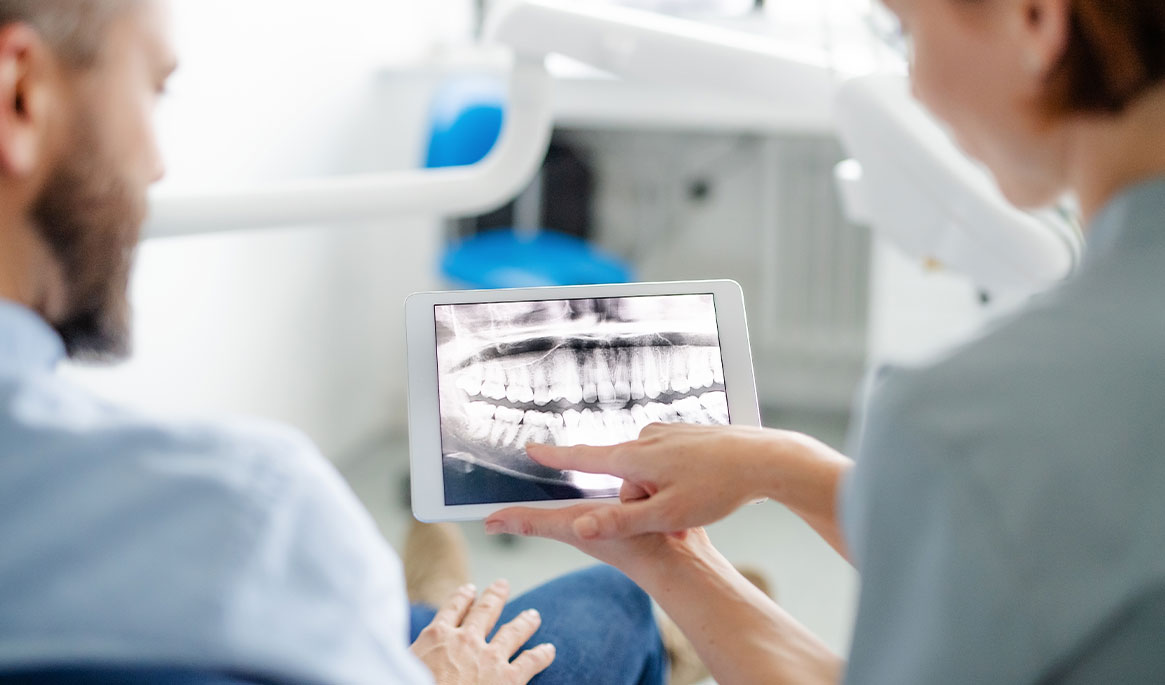
Before recommending anything, your dentist will check your teeth, gums, jawbone, and bite, and will ask about your medical history and any medicines you take. Scans such as a 3D X-ray show how much bone you have and where nerves and sinuses sit, while digital planning software helps the team map out treatment in advance. Gum disease, smoking, poorly controlled diabetes, and heavy teeth grinding can all affect suitability, which is why an individual assessment always comes first.
All-on-4 Teeth Are Designed With Appearance and Function in Mind
Your replacement teeth are designed around you, so the shape, size, and colour are chosen together with your dentist to suit your face, your lips, and the way you smile. The bite matters just as much as the look, because teeth that meet unevenly can put extra strain on the bridge and implants, and the materials and your expectations should be discussed openly during planning.
The Treatment Process Happens in Several Stage
-
Initial Consultation
Your dentist examines your mouth, listens to what you hope to achieve, and explains your options, including dentures and other implant approaches.
-
Diagnostic Imaging and Planning
Scans, digital impressions, and photographs are used to plan where each implant will sit before any surgery begins.
-
Implant Placement
Teeth that cannot be saved are removed and the implants are placed in the jawbone, where they act like artificial tooth roots that support the full arch, usually with local anaesthetic and sedation if needed.
-
Temporary or Immediate Teeth
Many people receive a temporary fixed bridge soon after surgery, although the type and timing depend on how stable the implants are and on your individual plan.
-
Final Prosthetic Teeth
The definitive prosthesis is generally fitted three to six months later, once the bone has fused to the implants and the gums have settled into their final shape.
Recovery and Eating Habits Matter After Treatment
In the first few days it is common to have swelling, bruising, and some discomfort, which your dentist can help you manage, and recovery time differs from person to person. You will usually need softer foods while the implants heal, so following your dentist’s instructions and attending every follow-up visit is important for protecting the result, because taking things slowly gives the implants the best chance of bonding with the bone.
All-on-4 Implants Require Ongoing Care
Implant teeth cannot decay, but the gums and bone around them can still become inflamed if plaque is not removed, so daily cleaning around and under the bridge is essential. Your dentist or hygienist can show you suitable tools, such as interdental brushes or a water flosser, and regular check-ups allow the team to clean the bridge professionally and spot problems early. If you grind your teeth, a night guard may be recommended to protect the bridge.
The Cost of All-on-4 Dental Implants Depends on Several Factors
In Australia in 2026, full-arch implant treatment commonly ranges from about $20,000 to $35,000 per arch, with complex cases higher.
What moves the figure: diagnostic imaging and planning; the number and brand of implants; the prosthetic material, where a milled zirconia bridge costs considerably more than acrylic but lasts longer; additional procedures such as extractions, grafting or a sinus lift; overall complexity; and what follow-up care is included.
Compare complete treatment plans, not headline numbers. A quote covering only surgery and a temporary bridge isn’t cheaper than one including the final prosthesis it’s incomplete. Ask for it itemised with ADA item numbers, and check your health fund’s annual limits, since rebates cover only a small share.
All-on-4 May Be Suitable for Some Patients but Not Everyone
All-on-4 may suit people who are missing most of their teeth, or whose remaining teeth are badly damaged or failing, but it is not right for everyone. Your gum health and the amount of jawbone you have matter a great deal, and sharing your full medical and dental history helps your dentist judge the risks, which can include infection or implant failure in some cases. Only a professional assessment can confirm whether this treatment is suitable for you.
What Are the Potential Benefits of All-on-4 Dental Implants?
- A fixed full-arch replacement that doesn’t come out
- Improved chewing function compared with removable dentures
- An appearance planned around your own facial proportions
- Support for clearer speech and everyday oral function
- Greater stability, with no movement while eating or talking
- For many patients, renewed confidence in social situations
Long-term studies support the approach: cumulative implant survival across follow-ups of six to eleven years generally sits between 94% and 98%, with prosthesis survival reported at 99% to 100%.
All-on-4 Dental Implants vs Individual Dental Implants
Individual implants replace one tooth at a time, each with its own crown, and they are often the right choice when only a few teeth are missing and the neighbouring teeth are healthy. When most of an arch needs replacing, however, a bridge supported by four to six implants can be more practical than many separate implants, so the best approach depends on your dental condition, your jawbone, and your goals.
Why Choose Sunshine Boulevard Dental for All-on-4 Treatment?
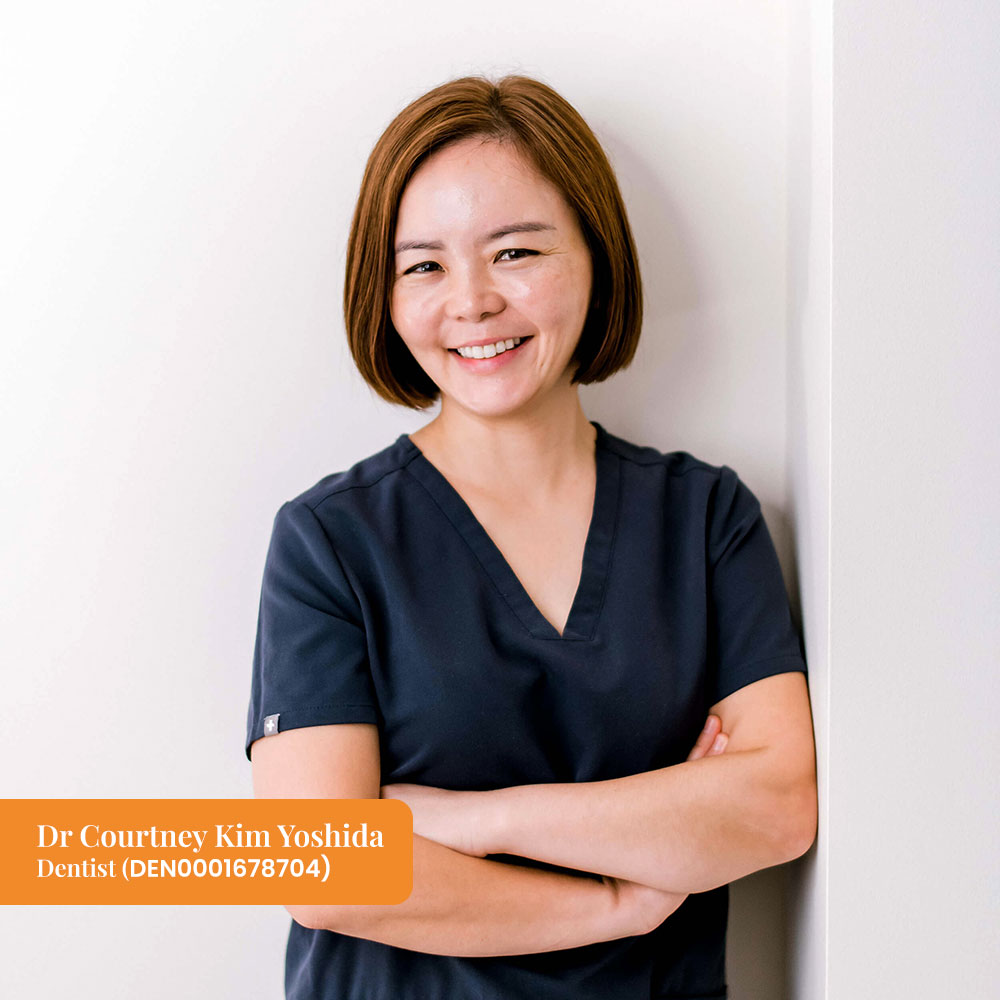
At Sunshine Boulevard Dental, your All-on-4 journey begins with a comprehensive examination and digital scans, which help our team understand your teeth, gums, jawbone, and bite before recommending any treatment. Under the guidance of Dr Courtney Kim Yoshida, we then create a personalised plan around your health, your goals, and your comfort, and we explain your options clearly so that you can make a confident decision at your own pace.
We provide a written treatment plan with costs explained before you commit, and flexible payment options such as Smileright and Afterpay may be available, subject to approval and terms. After your treatment, our team continues to support you with review appointments and practical guidance on cleaning your new teeth, because good long-term care plays an important part in protecting your implants.
Thinking about full-arch tooth replacement? Book a consultation online or call us on (07) 5572 8872 to talk through your needs and find out whether All-on-4 may be suitable for you.
Frequently Asked Questions About All-on-4 Dental Implants
How long do All-on-4 dental implants last?
Can I eat normally with All-on-4 dental implants?
How long does All-on-4 dental implant treatment take?
How do I know if I am suitable for All-on-4 dental implants?
Conclusion
All-on-4 can restore a full arch of fixed teeth, but it is a significant treatment that relies on careful assessment and personalised planning. When you explore your options, it helps to weigh suitability, function, appearance, recovery, ongoing care, and the full cost together rather than focusing on any one of them. If you are considering full-arch tooth replacement, the team at Sunshine Boulevard Dental can talk through your needs and treatment options.
This article provides general information only and is not a substitute for professional dental advice.