
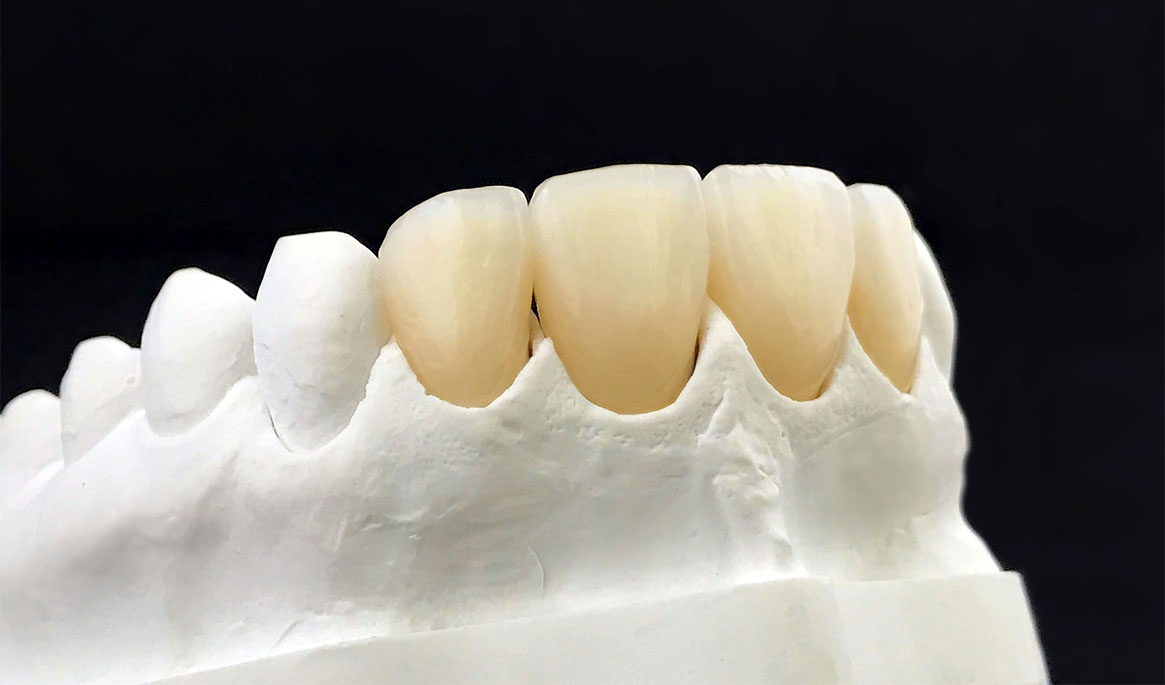
This blog explains everything you need to know about zirconia dental crowns, which are a strong, tooth-coloured option used to restore damaged or weakened teeth. You will learn what zirconia crowns are made from, why so many dentists now recommend them, how they compare with other crown materials such as porcelain, PFM and E-max, and what actually happens during the treatment process. The guide also covers how long these crowns tend to last, how to look after one properly, and roughly what affects the cost in Australia. By the end, you should have a clear and realistic picture of whether a zirconia crown suits your situation.
What Are Zirconia Dental Crowns?
A zirconia dental crown is a cap that fits over a damaged tooth, and it is made from a ceramic material called zirconium dioxide. This same material family is used in some medical implants because it is known for being strong and well tolerated by the body. Dentists like using zirconia because it is milled from a solid block using computer technology, which means it does not need a metal base underneath, and it holds up well under the everyday pressure of chewing without chipping the way some older crown materials did.
The main qualities that make zirconia useful are its strength, its resistance to cracking, how gentle it is on the gums, and its ability to look similar to a natural tooth when a good quality, layered version is used.
A zirconia crown is commonly suggested when:
- A tooth is badly cracked or fractured
- A tooth has had root canal treatment and become more fragile
- A tooth has a filling too large to hold together on its own
- A tooth is worn down from years of use
- An older, failing crown needs to be replaced
Why Are Zirconia Dental Crowns a Popular Choice?
Zirconia has become popular because it performs reasonably well across a wide range of situations rather than being suited to only one type of tooth or one type of bite. Research into dental ceramics generally shows that zirconia is considerably stronger than traditional porcelain and stronger than lithium disilicate, which is another ceramic used for crowns, although exact figures can vary between studies, brands and the specific type of crown involved.
This added strength means a zirconia crown can often be made thinner, so your dentist may need to remove less of your natural tooth to fit it properly. Because newer versions of zirconia are also more translucent, meaning light passes through them more like it does through real enamel, they can now be used with good results on both back teeth, where chewing forces are strongest, and front teeth, where appearance matters most, as long as the right grade of zirconia is chosen for the right location.
Benefits of Zirconia Dental Crowns
-
Exceptional Strength and Durability
Zirconia is well suited to handling the heavy forces produced by back teeth during chewing, and it holds up better against cracking and chipping compared with some layered ceramic crowns, which is one reason dentists often recommend it for people who grind their teeth.
-
A Natural Tooth-Like Appearance
Modern layered zirconia is designed to mimic the way light travels through natural enamel, and your dentist can match the shade to your surrounding teeth. Because there is no metal core inside the crown, you also avoid the grey line that can sometimes appear near the gum with older crown types.
-
Biocompatibility and a Metal-Free Design
Zirconia is generally well tolerated by gum tissue, and its smooth, polished surface tends to attract less plaque than some other materials. This makes it a sensible option for people who specifically want a crown that does not contain any metal.
-
Reliable Long-Term Performance
When a zirconia crown is properly fitted and looked after with good oral hygiene and regular dental visits, it can commonly last well beyond ten years, and published studies on survival rates over five years tend to report favourable results, although outcomes always depend on individual circumstances.
Are Zirconia Crowns Suitable for Everyone?
Zirconia is not automatically the right choice for every patient, and the most suitable material for you will depend on your own clinical situation, which your dentist can only properly assess after an examination. Zirconia is often recommended for molars, for people who grind their teeth, and for situations where maximum strength is needed while removing as little natural tooth as possible.
Your dentist will typically consider:
- Where the tooth sits in your mouth
- How much pressure your bite places on it
- Your cosmetic goals
- How much healthy tooth structure remains
- The condition of your gums
- What material the opposing tooth is made from
This last point matters because zirconia is harder than natural enamel, and an unpolished crown could gradually wear down the tooth it bites against. Because of this, an X-ray, a bite check and an honest conversation with your dentist about your priorities will always give you better guidance.
Types of Dental Crown Materials
| Material | Overview |
|---|---|
| Zirconia | Very strong, contains no metal, and can be used successfully on both front and back teeth, giving it the broadest range of uses among current crown materials. |
| Porcelain | Offers excellent translucency and works particularly well on front teeth under lighter biting forces, although it is more prone to fracturing than zirconia. |
| Porcelain-Fused-to-Metal (PFM) | Uses a metal core covered with a porcelain surface. Has a long history of successful use, but the porcelain can chip over time, and a dark line may eventually show at the gum as gums naturally recede. |
| Metal Alloy | Usually gold or a similar alloy. Extremely durable, gentle on the opposing natural tooth, and usually needs less tooth removed. Generally reserved for back teeth where appearance is less important. |
| Lithium Disilicate (E-max) | A glass ceramic known for excellent translucency and good strength, making it a popular choice for restoring a single front tooth. |
Zirconia Crowns Compared With Other Materials
| Comparison | What to Know |
|---|---|
| Zirconia vs Porcelain | Zirconia is considerably stronger, although traditional porcelain can sometimes look marginally more lifelike at the very front of the mouth. |
| Zirconia vs PFM | Zirconia offers similar strength while avoiding the two classic PFM problems: porcelain chipping away from the metal base, and a visible grey line forming at the gum. |
| Zirconia vs E-max | E-max can sometimes look slightly better on a single front tooth, but zirconia is noticeably stronger overall, which is why it is generally preferred for molars, bridges, and patients who grind their teeth. |
Which material may suit you? Aesthetics tend to favour E-max and porcelain at the front of the mouth, while durability tends to favour zirconia and metal alloys. Most well-fitted crowns, regardless of material, can last a decade or longer when properly cared for, so the right choice really comes down to where the tooth sits and what you value most, since recommendations will genuinely differ from one patient to the next.
When Is a Zirconia Dental Crown Recommended?
- A tooth that is severely damaged or fractured beyond what a filling can repair
- A tooth that has had root canal treatment and has become more brittle as a result
- A tooth with a filling too large for the remaining structure to support safely
- A tooth that has become worn or weakened, often from grinding or acid erosion
- A situation requiring cosmetic restoration where shape, colour and strength all need attention
- Replacement of an older crown that has chipped, discoloured, or decayed underneath
What to Expect During the Zirconia Crown Procedure
-
Initial Consultation and Examination
Your dentist examines your teeth, takes X-rays, and checks your bite to work out whether a crown is the right treatment and which material would suit you best. Any existing decay or gum disease is generally treated first.
-
Tooth Preparation
The tooth is gently reshaped under local anaesthetic to make room for the crown. Because zirconia crowns can be made thinner, this preparation is often more conservative than it would be for a PFM crown.
-
Digital Scans or Dental Impressions
Your dentist takes a digital scan or a physical impression of the tooth to record its exact shape. Digital scans are generally more comfortable and reduce the chance of needing a remake due to distortion.
-
Temporary Crown Placement (If Required)
While your permanent crown is being made, you may need a temporary crown to protect the tooth, although some practices with in-house milling equipment can sometimes complete the whole process in a single visit.
-
Permanent Zirconia Crown Fitting
Your dentist checks the fit, shade, margins and bite before bonding or cementing the crown in place. It is completely normal for the tooth to feel slightly unfamiliar for a day or two afterwards.
How Long Do Zirconia Dental Crowns Last?
Most zirconia crowns last somewhere between 10 and 15 years, and many last even longer, with problems more often coming from the natural tooth underneath rather than from the crown itself failing.
How long your crown lasts will depend on:
- Plaque control around the edge of the crown, since this is where decay is most likely to begin
- Grinding or clenching, since this places extra load on both the crown and the opposing tooth
- Regular check-ups, since a small leak at the margin is far easier to detect on an X-ray than to feel yourself
- Habits and diet, such as chewing ice or eating frequent sugary or acidic foods, which can affect the health of the tooth the crown is protecting
Caring for Your Zirconia Dental Crown
Looking after a zirconia crown is not especially different from looking after your natural teeth, and a few simple habits go a long way.
- Brush twice daily and floss carefully around the crown, paying particular attention to the gum margin where plaque tends to build up
- Keep up with your regular professional dental cleans, since these help prevent tartar forming in places a toothbrush cannot reach
- Avoid habits that place unnecessary stress on the crown, such as chewing ice, biting pens, or using your teeth as tools
- Wear a nightguard consistently if your dentist recommends one, since grinding is one of the most common causes of early crown problems
- Let your dentist know promptly if you notice any change in comfort, fit, sensitivity or taste around the crown
How Much Do Zirconia Dental Crowns Cost in Australia?
The cost of a zirconia crown in Australia generally ranges from approximately $1,500 to $3,200 per tooth, with more complex cases potentially costing $2,500 to over $4,700 per tooth. A straightforward crown placed on an otherwise healthy tooth will usually sit at the lower end of this range, while a tooth that also requires gum treatment, a core build-up, or root canal therapy beforehand will typically cost more.
Pricing generally reflects the grade of material used, the laboratory work involved, any digital planning technology, and the number of appointments needed to complete treatment. The consultation and treatment planning stage is also part of this cost, since the X-rays, bite analysis and shade matching carried out beforehand are what allow the final crown to fit comfortably and look natural.
Why Choose Sunshine Boulevard Dental for Zirconia Dental Crowns?
At Sunshine Boulevard Dental, every patient receives a thorough examination and a personalised treatment plan built around their oral health, bite, and cosmetic goals. Our team, led by Dr Courtney Kim Yoshida, uses advanced digital scanning technology and high-quality zirconia crowns from reputable laboratories, with a clear focus on comfortable, durable, and natural-looking results. We offer transparent pricing explained upfront, along with flexible payment plans through Smileright and Afterpay to make treatment more manageable.
Ready to restore your smile? Book an appointment online or call us on (07) 5572 8872 to arrange your consultation with our team.
Frequently Asked Questions
What makes zirconia dental crowns different from other crown materials?
Can zirconia dental crowns be used for both front and back teeth?
How should I care for my zirconia dental crown?
How do I know if a zirconia dental crown is the right treatment for me?
Conclusion
Choosing the right crown material affects both how your tooth functions and how it looks, and once your tooth has been prepared for a crown, that choice becomes difficult to reverse. Zirconia has earned its popularity because it generally offers a strong combination of durability, a natural appearance, and reliable long-term performance, while allowing dentists to conserve more of your natural tooth compared with some older crown options.
That said, the most suitable material always depends on your own oral health, your bite, and your personal priorities, so it is worth seeking professional advice before making a final decision. Sunshine Boulevard Dental offers personalised crown solutions using modern technology and quality materials, with the aim of helping patients achieve healthy, confident and long-lasting smiles.


